CENTCOM: US Strikes Hit Iranian Military Targets
By the BreakFirst Newsroom
Source: U.S. Central Command
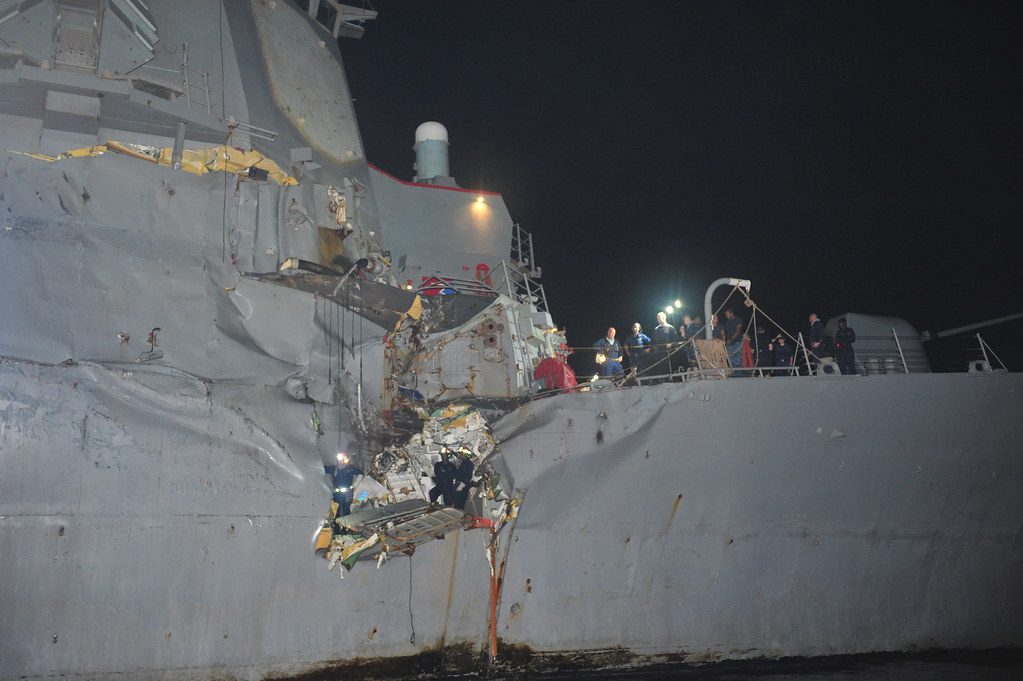
CENTCOM announced early Tuesday that American forces struck a wave of Iranian military targets overnight, marking one of the most significant U.S. military escalations against Tehran in years and a direct response to attacks on commercial shipping in the vital Strait of Hormuz.
According to U.S. Central Command's statement, the strikes targeted a broad swath of Iranian Revolutionary Guard Corps assets, including air defense systems, radar and communications installations, maritime facilities, and mine-laying capabilities that Tehran has reportedly used to threaten international shipping lanes. CENTCOM's account did not include casualty figures or specify the number of aircraft, munitions, or platforms involved, saying only that the operation covered those categories of targets.
The strikes follow weeks of rising tension in the Gulf, where Iranian-linked forces have been accused of harassing and attacking commercial vessels transiting the Strait of Hormuz, a chokepoint through which roughly a fifth of the world's oil supply passes. The Islamic Republic's aggressive posture in the waterway has repeatedly drawn condemnation from Washington and its Gulf Arab partners, who have warned that any disruption to the flow of oil through the strait would have global economic consequences.
Regional alarm has been building for days. Unconfirmed reports emerged of air raid sirens sounding in Bahrain amid claims of Iranian attacks, while separate reports pointed to Kuwaiti air defenses engaging drones in the skies over the Gulf. Iran's own military has sought to project strength, releasing footage purporting to show drones targeting Gulf bases, a signal that Tehran has been preparing for confrontation rather than de-escalation.
The overnight strikes represent the culmination of a standoff that has been simmering for months, as the IRGC's naval forces and proxy militias across the region have stepped up harassment of merchant traffic and, in some cases, direct strikes on shipping. U.S. officials have long warned that Iran's mine-laying capability in particular poses a uniquely dangerous threat to the free flow of commerce, since even a handful of naval mines can effectively shut down a waterway that carries a massive share of global energy exports.
CENTCOM's statement did not detail whether Iranian forces suffered casualties in the strikes, nor did it lay out the full scale of aircraft, ships, or munitions used in the operation. Officials indicated that additional details on the scope of the mission — and on any Iranian retaliation — are expected in the hours ahead, leaving open the question of how Tehran will respond to what amounts to a direct hit on its military infrastructure.
The strikes land against a backdrop of broader regional instability, with Israel's ongoing operations against Hamas in Gaza and Hezbollah's continued harassment of Israeli troops in southern Lebanon already straining the region. The Pentagon and U.S. Central Command have signaled in recent months that they view Iranian-backed aggression against shipping and allied forces as part of a single, interconnected threat network that Washington is no longer willing to simply absorb without consequence.
What happens next remains uncertain. Iran has a long track record of responding to perceived provocations with asymmetric retaliation, whether through proxy attacks, cyber operations, or renewed harassment of shipping. U.S. embassies across the region have already warned Americans of heightened travel risks amid the deteriorating security picture, and Gulf allies will be watching closely for signs of further Iranian escalation in the coming days.
Why it matters: A direct U.S. military strike on Iranian territory over Hormuz shipping attacks signals that Washington is prepared to use force to keep the world's most important oil chokepoint open, a marked departure from years of restraint that critics say only emboldened Tehran's provocations. The coming Iranian response will test whether this show of strength deters further aggression or triggers a wider regional conflict.