Documents Contradict RFK Jr.'s Claim on Samoa Trip
By the BreakFirst Newsroom
Source: newly obtained documents cited by reporters
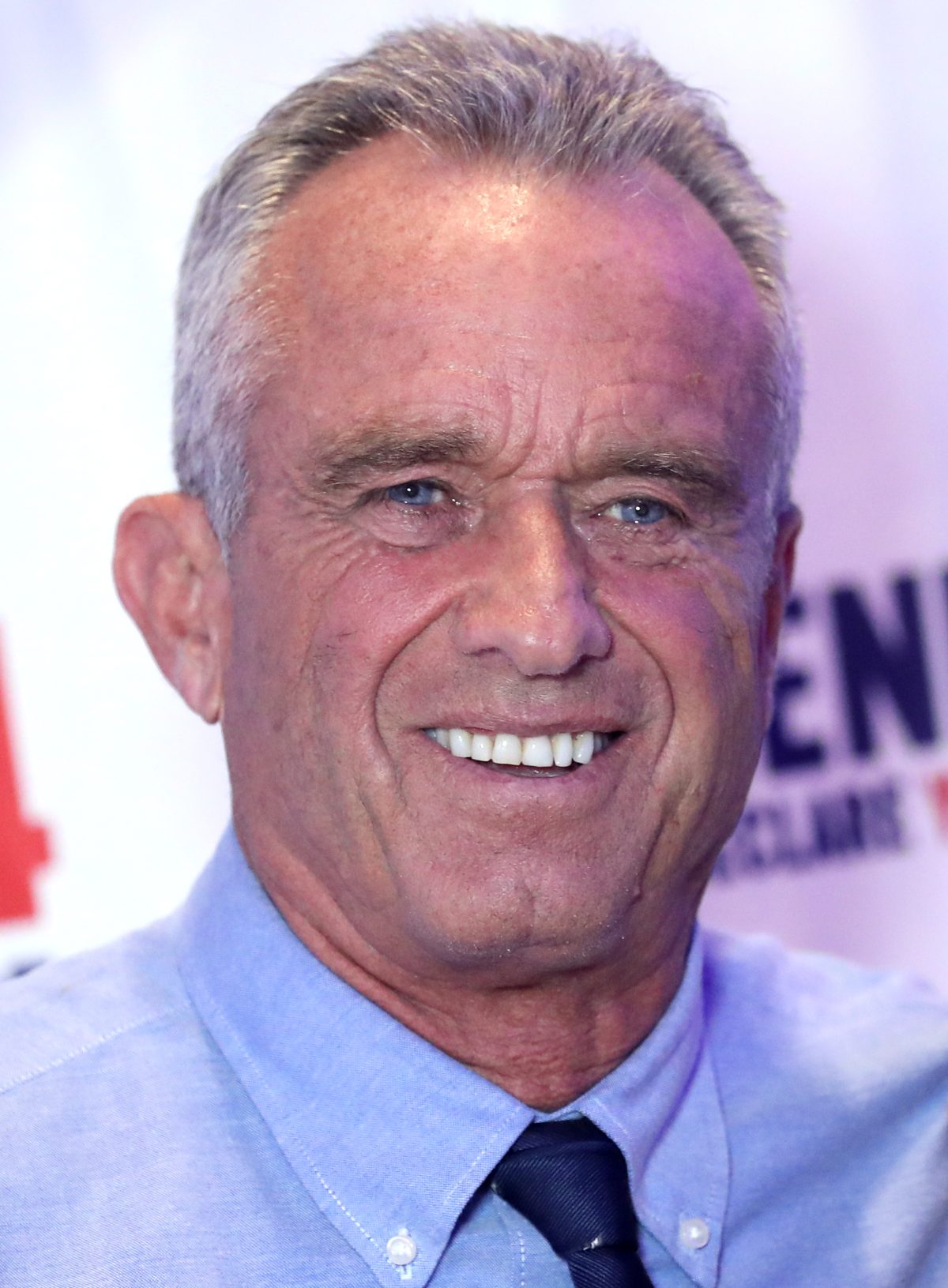
Health Secretary Robert F. Kennedy Jr. is facing renewed scrutiny after newly surfaced documents appear to directly contradict his sworn testimony about the true purpose of a controversial 2019 trip to Samoa, a visit that came amid one of the deadliest measles outbreaks the Pacific nation has seen in decades.
Kennedy told lawmakers his trip "had nothing to do with vaccines," according to the brief circulating among Capitol Hill reporters this week. But newly obtained correspondence reportedly shows Kennedy, then a prominent anti-vaccine activist, wrote directly to Samoa's prime minister ahead of the trip specifically requesting access to study the measles, mumps and rubella vaccine — mentioning vaccines or vaccination eight separate times in the letter, according to the documents described in the brief.
The discrepancy is significant because it goes to the heart of assurances Kennedy gave senators during his confirmation hearing to become Health and Human Services Secretary, when he pledged he would not disrupt the nation's existing vaccine policy or infrastructure. Since taking office, Kennedy has moved in the opposite direction, restructuring vaccine advisory panels and pushing new scrutiny of long-approved immunizations — a pattern critics say now looks harder to separate from the activism he insisted, under oath, was unrelated to his travels.
Samoa's 2019 measles outbreak was a genuine public-health catastrophe, killing dozens of people, mostly children, and prompting the government to declare a state of emergency and impose mandatory vaccination measures. Anti-vaccine activists, including figures aligned with Kennedy's network, were widely blamed at the time for stoking distrust of the MMR vaccine in the islands before the outbreak, a claim Samoan health officials and outside researchers have echoed in the years since. Kennedy has long disputed any direct responsibility for the outbreak's severity.
For conservatives who backed Kennedy's confirmation on the strength of his pledge to leave existing vaccine policy alone — and who have otherwise supported his broader push against pharmaceutical-industry influence and for "radical transparency" at HHS — the newly surfaced letter complicates the narrative. It hands ammunition to Senate Democrats and skeptical Republicans alike, both of whom will almost certainly use any further hearings to press Kennedy on whether he misled Congress about his history and intentions.
Kennedy's allies are likely to argue that a research request to study vaccine data during an active outbreak is not proof of activism against the vaccine itself, and that reporters and political opponents are stretching a routine research inquiry into a scandal. Kennedy's own past public statements questioning the MMR vaccine's safety, however, will make that defense a harder sell in the court of public opinion, and lawmakers on both sides of the aisle are expected to demand he clarify the record when he next appears before Congress.
What happens next will likely hinge on whether the documents are entered into the congressional record and whether Kennedy is called back for further questioning. Given the stakes for public trust in vaccine policy — and the political weight Kennedy carries within the current administration's health apparatus — this story is unlikely to fade quickly.
Why it matters: Kennedy's credibility with the Senate was built partly on a promise to leave vaccine policy untouched, a promise he has already begun walking back as secretary. If documents show he misrepresented his own history to get confirmed, it strengthens the hand of lawmakers seeking tighter oversight of HHS vaccine decisions going forward.