DOJ: Chinese Hackers Breached Federal Agencies, Sold Access to Beijing
By the BreakFirst Newsroom
Source: U.S. Department of Justice
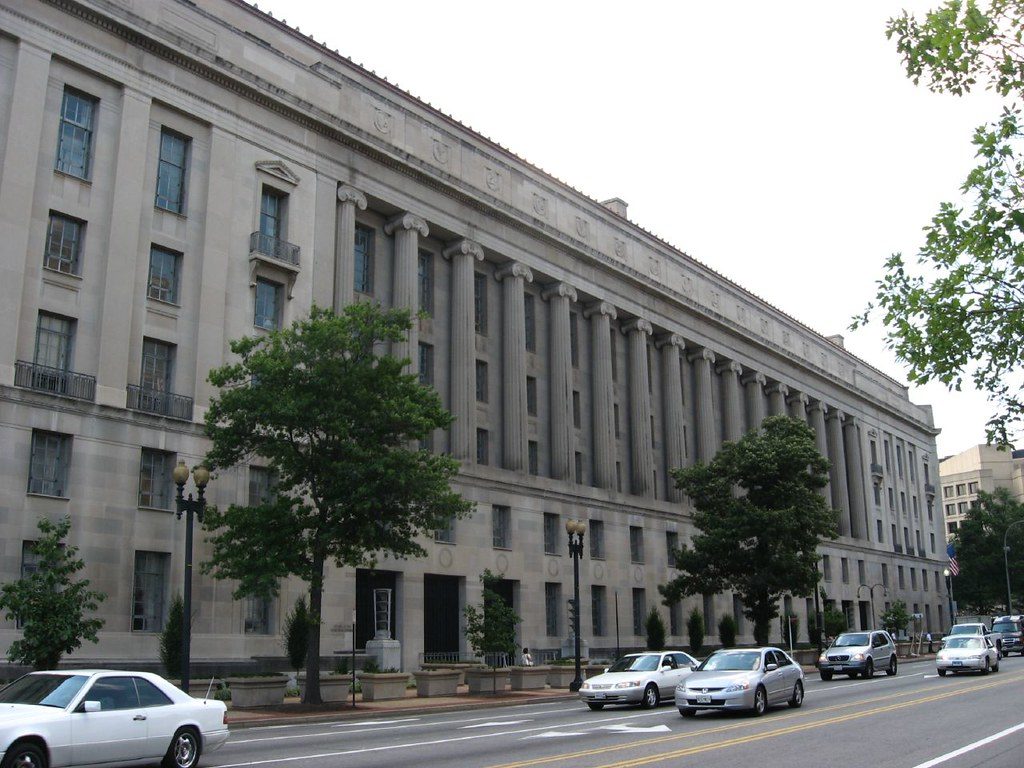
Federal cybersecurity officials are grappling with alarming new allegations that Chinese state-linked hackers not only breached a sweeping array of U.S. government agencies but turned around and sold that access to Beijing's intelligence and military services, according to a Department of Justice affidavit reported by Disclose.tv.
The affidavit reportedly names an extraordinary roster of targets, including the Department of Justice itself, the Department of Energy, the National Institutes of Health, Health and Human Services, NASA, the Federal Reserve, and even the U.S. Senate, according to Disclose.tv. If accurate, the scope of the alleged intrusion would represent one of the most brazen cyber-espionage operations targeting American institutions in recent memory, touching everything from national security and scientific research to the nation's monetary policy apparatus and its legislative branch.
According to the report, prosecutors allege the hackers did not simply steal data for their own purposes but instead monetized their access by selling entry points directly to Chinese intelligence and military organs — effectively functioning as a criminal marketplace supplying Beijing's spy services with backdoors into the American government. That allegation, if borne out, would mark a troubling evolution in how Chinese-linked cyber actors operate, blending profit-driven hacking with state-directed espionage in a way that blurs the line between criminal enterprise and an arm of the Chinese Communist Party's intelligence machine.
The Department of Justice has not yet released the full affidavit publicly, and key details — including the identities of the alleged hackers, the specific timeline of the breaches, how much data may have been compromised, and whether any charges have been filed — remain undisclosed. Disclose.tv's report is, for now, the primary source describing the affidavit's contents, and BreakFirst has not independently verified every detail. Readers should treat the full scope of the allegations as still developing pending official confirmation from the DOJ or corroboration from other outlets.
Even so, the report lands amid years of mounting warnings from U.S. national security officials about the scale and sophistication of Chinese cyber operations against American government networks, defense contractors, and critical infrastructure. Beijing has repeatedly been accused by American intelligence agencies of running some of the most persistent and well-resourced hacking campaigns in the world, targeting everything from telecommunications firms to federal personnel records. Washington's national security establishment, across both parties, has increasingly treated Chinese cyber-espionage as a top-tier threat on par with terrorism and nuclear proliferation.
The alleged targeting of the Federal Reserve and the U.S. Senate is likely to draw particular scrutiny on Capitol Hill, where lawmakers have grown increasingly vocal about the need to harden federal networks against foreign intrusion. Members of both parties have pushed for tougher cybersecurity mandates for agencies and stiffer penalties for nations, like China, that sponsor or tolerate hacking operations against American targets. The revelations, if confirmed, could reignite calls in Congress for stronger sanctions and export controls aimed at Beijing, and add fresh fuel to the broader bipartisan push to decouple sensitive American technology and data from Chinese reach.
It remains unclear what, if any, immediate action the DOJ intends to take, whether indictments are imminent, or whether the administration will pursue additional sanctions against Chinese entities believed to be linked to the alleged scheme. National security officials have not publicly commented on the affidavit's specific claims as of this writing.
BreakFirst will continue following this developing national security story as more details emerge, including any formal charges, agency responses, or confirmation from additional outlets regarding the full scope of the alleged breach and China's role in directing or benefiting from it.