Fed's Warsh Warns Inflation Remains Persistently High
By the BreakFirst Newsroom
Source: Kevin Warsh
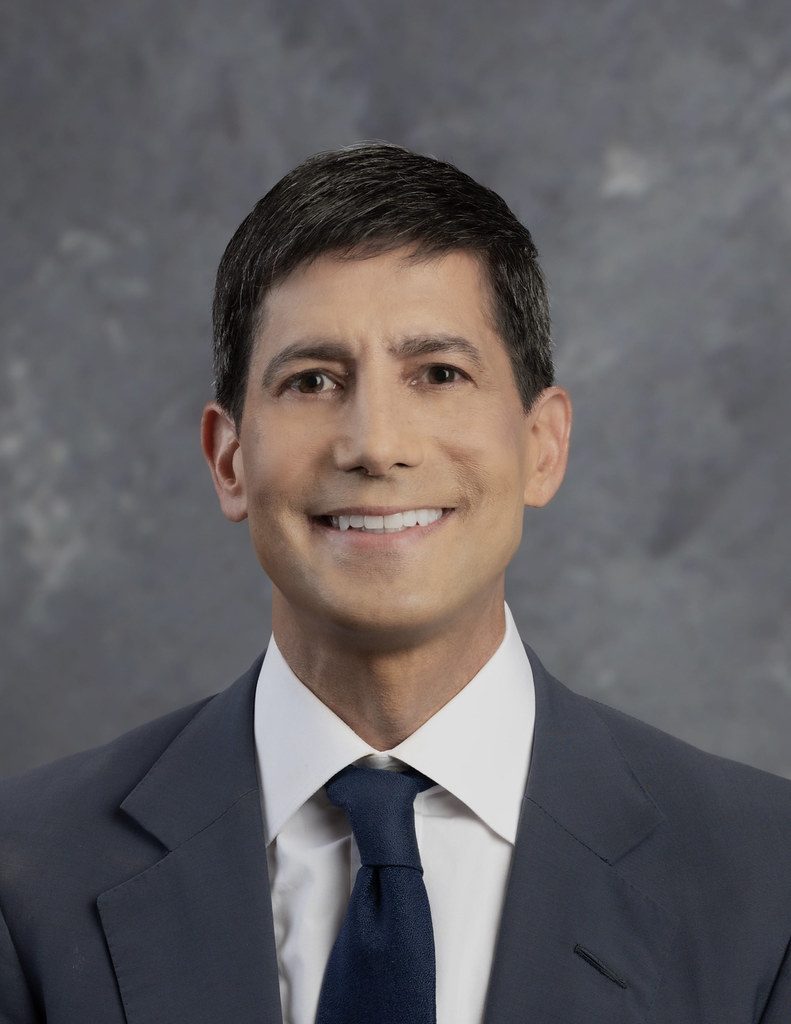
Federal Reserve Chairman Kevin Warsh delivered a stark warning on the state of the American economy this week, telling an audience of policymakers, economists and market watchers that inflation remains stubbornly elevated despite months of central bank efforts to tame it. The remarks, delivered in one of the most closely watched addresses of his tenure, are already reverberating through Washington and Wall Street alike.
Warsh's message was blunt: price pressures have not eased to the degree the Fed had hoped, and the central bank cannot yet declare victory in its fight against inflation. For millions of American families still feeling the pinch at the grocery store, the gas pump and in their monthly bills, the admission will likely feel less like news and more like confirmation of what they already knew from their own household budgets.
The speech comes at a politically fraught moment for the Fed. Critics on the right have long argued that the central bank moved too slowly to address inflation in the first place, and that years of loose monetary policy under previous leadership set the stage for the cost-of-living crisis that has squeezed working- and middle-class Americans. Warsh's candor about persistent inflation is likely to be seen by many conservatives as a welcome dose of realism after years of assurances from Washington that inflation was "transitory" — assurances that proved badly mistaken.
At the same time, Warsh's warning underscores the delicate balancing act now facing the Fed. Raising interest rates further, or simply holding them at elevated levels for longer, risks tipping an already fragile economy into recession. Yet easing up prematurely could allow inflation to reaccelerate, undermining any progress made so far. That tension has fueled intense debate among economists, lawmakers and investors over exactly how the central bank should proceed in the months ahead.
Markets are expected to parse Warsh's comments closely for clues about the future path of interest rates. Investors have grown accustomed to reading Fed communications for subtle signals, and any hint of a more hawkish — or dovish — tilt can move stocks, bonds and the dollar within minutes. Analysts will now be watching upcoming economic data releases, including inflation and jobs reports, to see whether they support Warsh's cautious assessment or suggest the picture is improving faster than he indicated.
The broader economic backdrop adds urgency to the debate. Households across the country have spent the past several years absorbing higher costs for everything from housing to food to energy, even as wage growth has struggled to keep pace in many sectors. Small businesses, too, have had to contend with elevated borrowing costs that make expansion and hiring more difficult. For an administration and a Republican-led Congress focused on reviving robust economic growth, persistent inflation represents a stubborn headwind that complicates efforts to demonstrate tangible improvement in Americans' everyday finances.
What happens next will depend heavily on incoming data and the Fed's own internal deliberations at upcoming policy meetings. Warsh's remarks are likely to fuel further scrutiny of the central bank's independence and decision-making process, with lawmakers on both sides of the aisle expected to weigh in on whether the Fed's current approach strikes the right balance. BreakFirst will continue to track reaction from markets, economists and elected officials as more details of the speech and its fallout emerge.
Why it matters: Warsh's warning is a reminder that the inflation fight is far from over, undercutting any premature victory laps from Washington and keeping pressure on policymakers to prove they can deliver real relief to American families before political patience runs out.