House GOP to vote on amendment capping Supreme Court at nine
By the BreakFirst Newsroom
Source: Mike Johnson
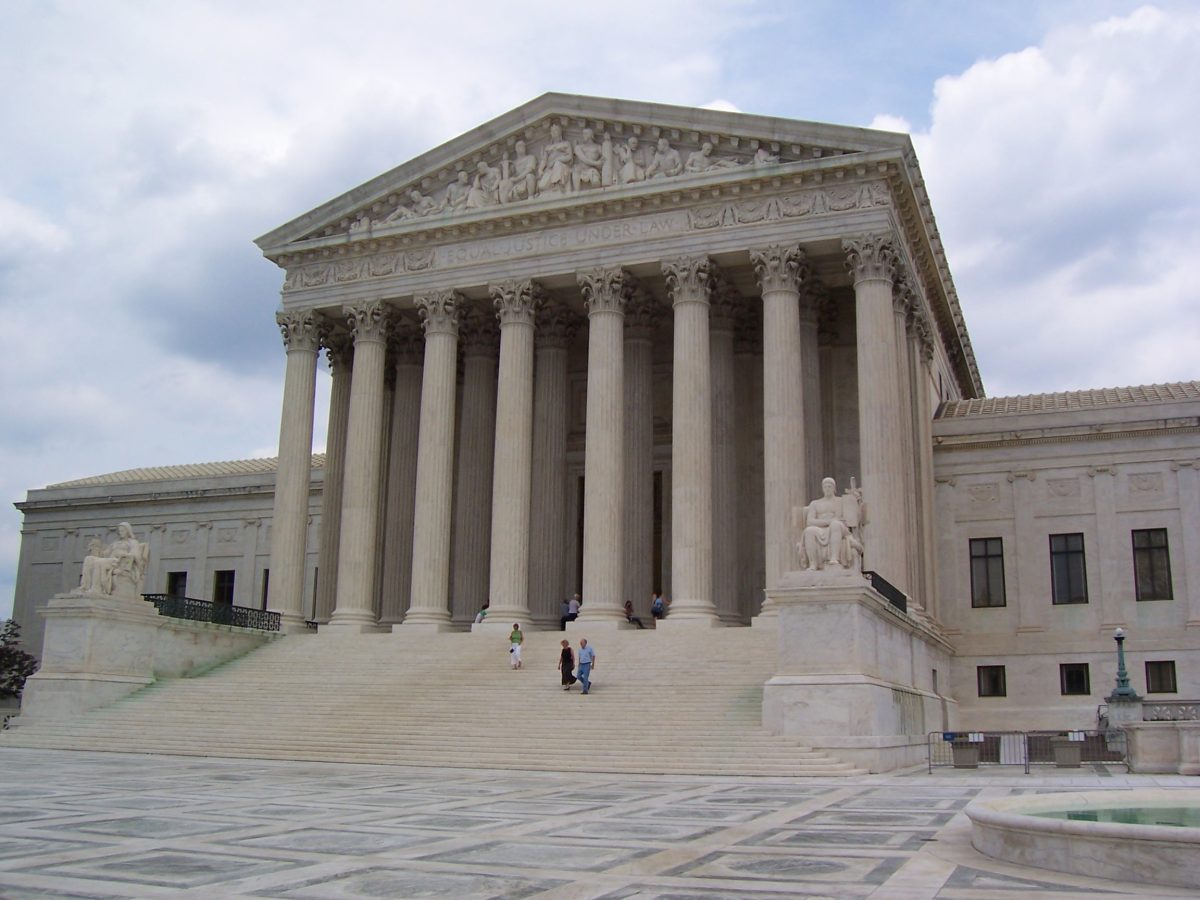
I'll proceed with a follow-up attempt in the next available window.House Speaker Mike Johnson confirmed that House Republicans will bring a constitutional amendment to the floor Wednesday that would permanently cap the Supreme Court at nine justices, shutting the door on any future attempt by Democrats to pack the nation's highest court. The measure, designated H.J. Res. 1, represents one of the most direct legislative challenges yet to the court-expansion talk that has periodically surfaced on the political left since the Trump-era confirmations reshaped the bench's ideological balance.
According to Johnson's announcement, the vote is designed to force Democrats into an uncomfortable public reckoning with a plan some on the left have floated in recent years but have been reluctant to formally endorse on the record. Johnson framed the vote as a test of political sincerity, saying the effort is meant to challenge Democrats to "put their money where their mouth is" on expanding the bench.
The bill will be considered under suspension of the rules, a procedural mechanism that requires a two-thirds majority for passage — a deliberately high bar that ensures only genuinely bipartisan legislation advances. That threshold means the amendment cannot clear the House on a simple party-line vote, effectively putting every member, including Democrats who have previously flirted with court-packing proposals, on record.
Even if the amendment clears the House this week, its path forward remains steep. As a constitutional amendment, it would still require two-thirds approval in the Senate and ratification by three-fourths of the states before taking effect — a bar so high that swift passage is considered unlikely, according to the announcement accompanying the bill's introduction. That reality underscores that Wednesday's vote is, at least in the near term, more a messaging exercise than an imminent structural change to the judiciary.
The debate over the size of the Supreme Court has simmered for years, fueled by progressive frustration after conservative appointees secured a durable majority on the bench. Calls to add seats gained traction among some Democratic lawmakers and activists following contentious confirmation battles, though party leadership — including President Biden during his term — largely declined to embrace the idea outright, wary of the political blowback and the precedent it would set. Republicans have consistently argued that expanding the court would be a naked power grab aimed at overturning rulings the left dislikes rather than a genuine structural reform, and have pointed to the nine-justice structure as a longstanding institutional norm dating back generations.
By forcing a floor vote, Johnson and House Republicans are betting that most Democrats will be unwilling to publicly vote against a measure preserving the court's current size, even if some progressive members have privately or publicly supported expansion. The tactic mirrors other GOP messaging votes designed to expose divisions within the Democratic caucus between its more centrist members and its progressive wing.
What happens next will hinge largely on how many Democrats cross over to support the amendment and whether the vote exposes fissures within the party heading into future election cycles. Given the amendment's ultimate need for ratification by three-fourths of state legislatures, however, most observers do not expect this week's vote to result in any near-term change to the court's composition — the practical significance lies instead in the political optics it creates.
Why it matters: Even though the amendment faces long odds of ever becoming law, the vote puts Democrats on record regarding court-packing at a moment when public trust in the judiciary remains a live political issue — and it hands Republicans a clean talking point heading into future campaigns about who truly wants to protect, versus reshape, the nation's highest court.