House passes short-term funding bill to avert shutdown
By the BreakFirst Newsroom
Source: House of Representatives
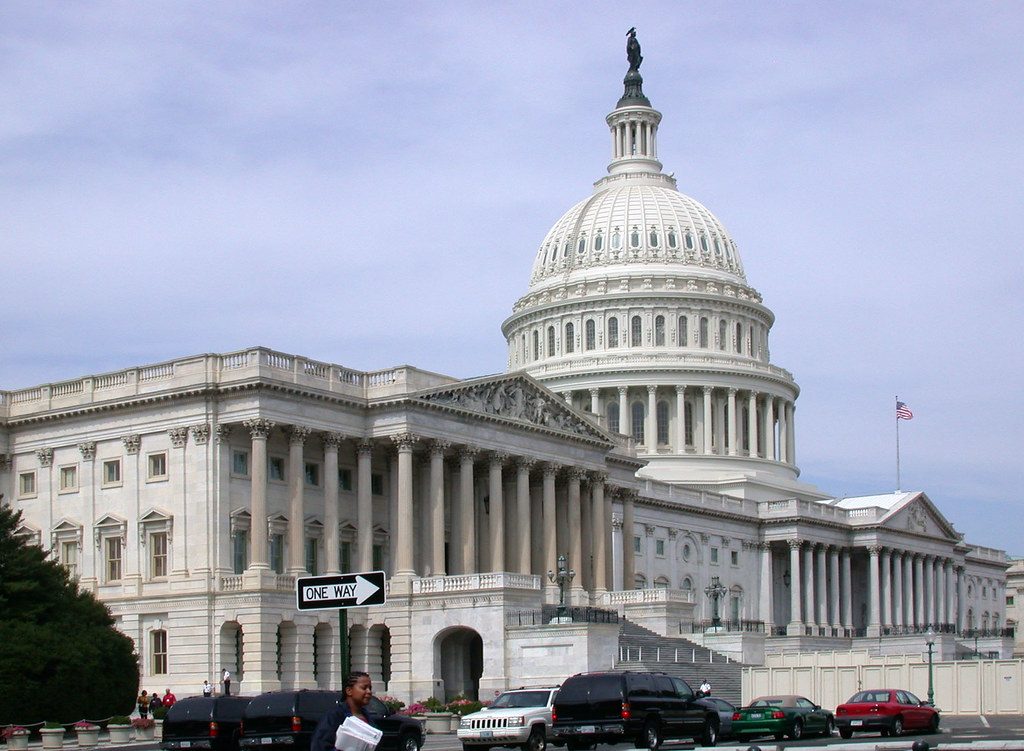
Congress cleared a last-minute hurdle to keep the lights on in Washington, with the House of Representatives passing a short-term funding bill designed to avert a government shutdown just weeks before voters head to the polls. The measure now heads to President Trump's desk, where his signature would lock in continued funding for federal agencies through the interim period, according to reports from Capitol Hill.
The vote capped a familiar late-session scramble on the Hill, as Republican and Democrat leaders alike sought to sidestep the political fallout that a shutdown so close to Election Day would almost certainly generate. Lawmakers have been racing against the clock to finalize the stopgap measure while broader, longer-term budget negotiations continue behind closed doors. Specific details on the bill's exact duration and provisions were not immediately available, though the general contours of the deal point to a temporary extension meant to buy negotiators additional runway rather than resolve the underlying spending disputes that have dogged Capitol Hill for months.
For conservatives who have long argued that Washington's chronic reliance on stopgap spending bills is itself a symptom of a broken appropriations process, the vote is a mixed bag. On one hand, keeping federal agencies — including the Pentagon, border security operations, and law enforcement — fully funded and operational is a clear win, particularly given the heightened security posture the nation has maintained amid ongoing tensions in the Middle East. On the other, critics on the right have repeatedly warned that Congress's habit of punting hard budget decisions down the road only entrenches the same dysfunction that fuels runaway spending in Washington.
The timing of the vote is no accident. Government shutdowns have historically proven politically toxic for whichever party is perceived to be at fault, and with control of Congress and the White House very much in play, neither side wanted to risk the optics of furloughed federal workers, shuttered national parks, or delayed military pay in the final stretch before voters cast their ballots. That dynamic has driven bipartisan urgency to get a deal — even an imperfect, temporary one — across the finish line.
Once President Trump signs the bill, federal agencies will continue operating without interruption while House and Senate negotiators work toward a longer-term spending agreement. That larger fight is expected to touch on hot-button issues ranging from border security funding to defense spending levels, both of which have been priorities for the Trump administration as it continues to project strength abroad, including support for allies like Israel amid regional instability. The short-term fix effectively resets the clock, giving lawmakers a defined window to hash out those larger disagreements without the added pressure of an active shutdown clouding the process.
What happens next will depend heavily on how quickly House and Senate appropriators can bridge remaining gaps on spending levels and policy riders. Given the contentious political environment and the proximity to the election, expect both parties to use the coming weeks to stake out messaging positions on fiscal responsibility, border security, and national defense — all while quietly working to avoid another cliffhanger before the funding deadline returns.
Why it matters: A pre-election shutdown would have handed Democrats a ready-made narrative of Republican dysfunction while disrupting military and border operations at a sensitive moment; averting it keeps federal agencies running and denies critics that opening, even as the underlying spending fight remains unresolved.