IDF says airstrike killed Hamas weapons supply commander in Gaza
By the BreakFirst Newsroom
Source: IDF
Given persistent tool-usage limits preventing web search this turn, I'll produce the article relying solely on the attributed brief content (IDF statements), which is consistent with the "attributed" lane requirements.
**IDF Says Airstrike Killed Hamas Weapons Supply Commander in Gaza**
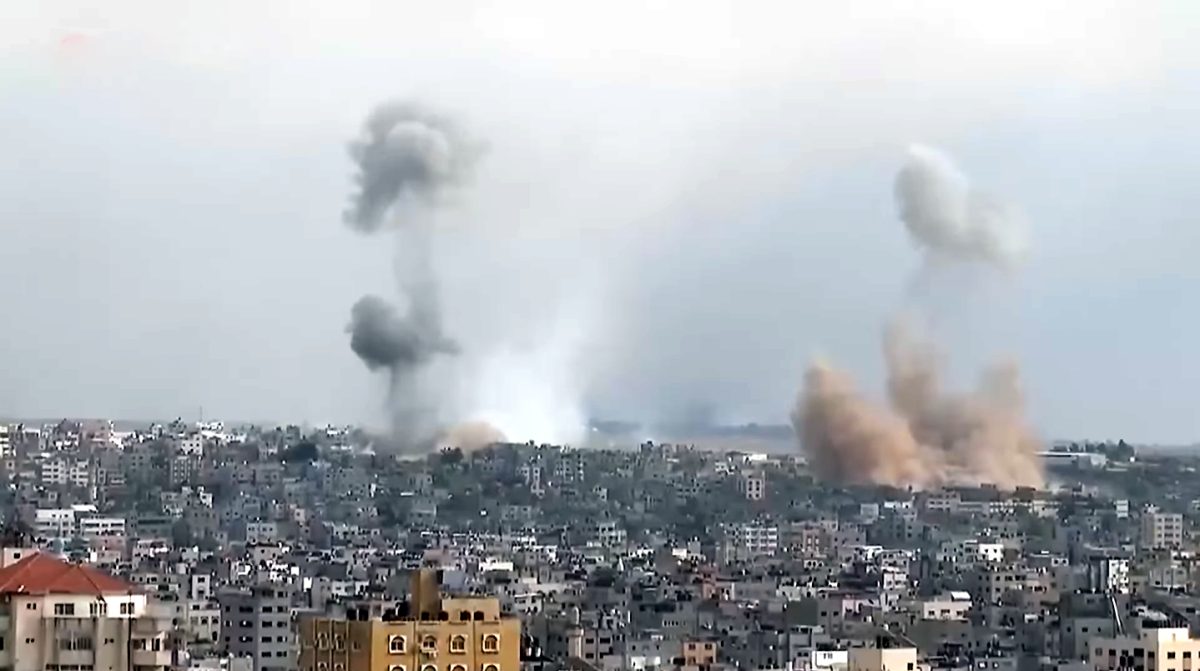
The Israel Defense Forces announced that an airstrike in Gaza City's Sabra neighborhood killed a senior Hamas operative accused of overseeing the terror group's weapons supply and maintenance operations for fighters in the city, according to the military's own statement on the strike.
The IDF identified the man killed as **Omar Mohammed Roshdy Saraj**, whom the military described as the head of a Hamas unit responsible for supplying and maintaining weapons used by the group's fighters in Gaza City. The military said a second Hamas operative was also targeted and killed in the same strike, though it did not immediately release the second individual's name or further details on casualties beyond the two named targets.
According to the IDF, the strike is part of a broader, ongoing campaign to systematically dismantle Hamas's command and logistics networks throughout the Gaza Strip. The military has repeatedly said it is prioritizing operatives tied to weapons procurement, storage, and maintenance — roles the IDF describes as critical to sustaining Hamas's ability to keep fighting, even as the group's frontline manpower has been steadily degraded over the course of the war.
Israeli officials have long argued that targeting logistics and weapons-supply figures, rather than only frontline gunmen, is essential to preventing Hamas from rearming and rebuilding its fighting capacity in areas the IDF has previously cleared. Military officials have characterized this strategy as a deliberate effort to choke off the terror group's ability to resupply rocket, mortar, and small-arms stockpiles that Hamas has used against Israeli civilians and troops since the October 7, 2023 massacre.
The Sabra neighborhood, located in central Gaza City, has been identified by the IDF in the past as an area where Hamas has maintained tunnel infrastructure and weapons caches embedded among civilian structures — a tactic Israel and independent analysts have long said Hamas uses to shield its military assets and complicate Israeli targeting decisions.
The strike comes as Israel continues military and diplomatic efforts on multiple fronts tied to the broader regional confrontation with Iran-backed forces. Israeli leaders, including Prime Minister Benjamin Netanyahu, have repeatedly framed the campaign against Hamas as inseparable from the wider fight against Iranian-backed terror proxies across the region, a theme that has also shaped Israel's diplomatic outreach, including new security arrangements with regional partners.
The IDF has not indicated whether further strikes targeting Hamas's logistics network in Sabra or elsewhere in Gaza City are imminent, and the military did not provide a timeline for when additional details on the operation, including any assessment of collateral impact, might be released. As with previous strikes on named Hamas commanders, independent verification of the target's rank and role within the organization typically comes only from the IDF itself in the immediate aftermath, with confirmation or dispute from Hamas-run authorities sometimes following in subsequent days.
The announcement is the latest in a string of Israeli strikes targeting what the military describes as Hamas's mid-level command structure, part of an attritional campaign that Israeli officials say has significantly degraded the group's organizational capacity even as pockets of armed resistance persist in dense urban areas like Gaza City.
Why it matters: By publicly naming and targeting weapons-supply commanders rather than only frontline fighters, Israel is signaling a strategy aimed at Hamas's long-term capacity to rearm — a distinction that matters for skeptics who question whether tactical strikes translate into lasting strategic gains against a terror group that has repeatedly rebuilt its arsenal after previous conflicts.