IDF to Phase Out Frozen Kosher Meals for Haredi Soldiers
By the BreakFirst Newsroom
Source: Israeli media
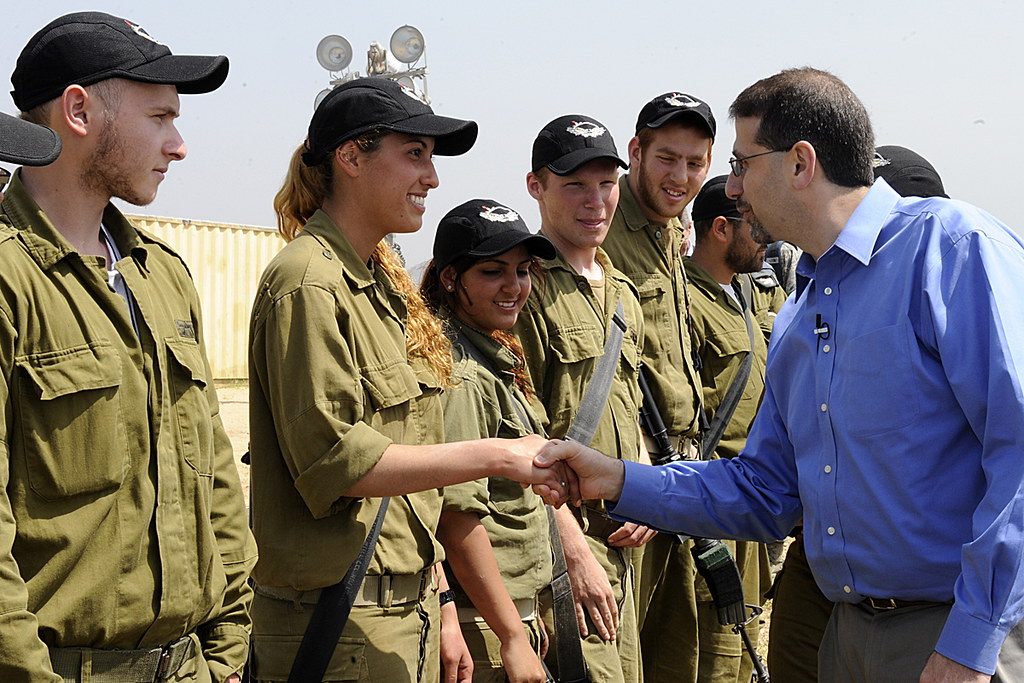
The Israeli military is preparing to scrap its longstanding system of sealed, frozen kosher meals for ultra-Orthodox soldiers, opting instead for freshly prepared food cooked on base, according to Israeli media reports published Wednesday.
For years, soldiers who required the strict Mehadrin kosher standard — the most rigorous level of kosher certification in Jewish law — were largely limited to meals that arrived pre-packaged and frozen, then reheated in field kitchens before being served. Israeli media reported that the Israel Defense Forces now plans to phase out that system entirely, replacing it with fresh, varied meals prepared directly through base kitchens. The new approach is expected to roll out within roughly two weeks, though specific logistics and which bases will be affected first were not immediately detailed in the reports.
The shift comes at a politically sensitive and symbolically important moment for the IDF, as the military works to absorb a growing number of ultra-Orthodox, or Haredi, recruits following aggressive enlistment pushes over the past year. Haredi conscription has been one of the most contentious domestic issues in Israel, with the government under pressure — including from the courts — to end broad draft exemptions that have long shielded yeshiva students from mandatory service. As those exemptions have narrowed, the IDF has faced the practical challenge of accommodating soldiers whose religious observance requires far stricter dietary and lifestyle accommodations than the general conscript population.
The frozen-meal system had been the military's longtime workaround for guaranteeing Mehadrin compliance without requiring separate, fully kosher-certified kitchens at every base. But the reliance on reheated, sealed meals has reportedly drawn complaints over food quality and monotony compared to the fresh offerings available to other soldiers. By moving toward base-kitchen preparation, the IDF appears to be signaling that it intends to treat the integration of religious soldiers as a long-term structural priority rather than a stopgap — investing in kitchen infrastructure capable of meeting Mehadrin standards on a daily, fresh-food basis rather than outsourcing the problem to prepackaged rations.
For conservative and religious communities in Israel, the move is likely to be read as a tangible sign that the military is serious about quality-of-life improvements for Haredi enlistees, a constituency that has historically viewed IDF service with suspicion over concerns that secular military culture would be hostile to religious practice. Improving food quality without compromising kashrut standards removes one of the more frequently cited friction points for religious families weighing whether to send sons into uniform.
The change also lands against the backdrop of the IDF's broader wartime posture, with the military continuing operations against threats on multiple fronts, including its campaign dismantling Hezbollah infrastructure in southern Lebanon. As the army stretches its manpower needs amid sustained security threats, integrating Haredi recruits smoothly — rather than treating them as a logistical afterthought — has taken on added urgency for military planners.
No official IDF statement accompanied the reports, and details on rollout locations, cost, or how many soldiers currently rely on Mehadrin meal provisions were not immediately available. It also remains unclear whether the transition will be uniform across all bases or phased in gradually depending on kitchen infrastructure and staffing. Observers will be watching in the coming weeks to see whether the promised two-week rollout holds and whether religious soldiers and their rabbinical overseers publicly endorse the new system as meeting Mehadrin requirements in practice, not just on paper.