Israeli Defense Minister Katz Visits Troops on Mount Hermon
By the BreakFirst Newsroom
Source: Israeli Ministry of Defense
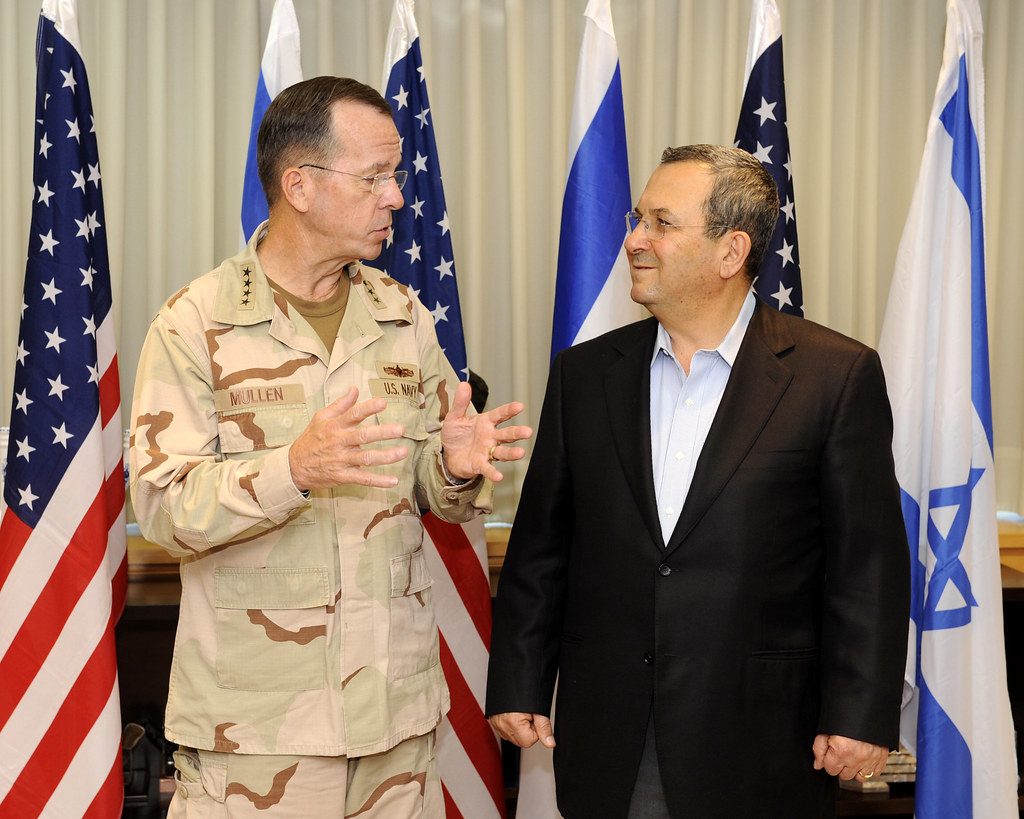
Israeli Defense Minister Yisrael Katz traveled to the foot of Mount Hermon on the Syrian side of the border this week to visit Israel Defense Forces troops holding the strategic buffer zone the military seized after the collapse of the Assad regime, according to footage released by the Israeli Ministry of Defense.
The visit is the latest signal from Jerusalem that it has no intention of relinquishing the high ground overlooking Damascus and southern Syria anytime soon. Mount Hermon, the tallest peak in the region, offers a commanding vantage point over Syrian territory and has long been viewed by Israeli security planners as a critical early-warning post against threats emanating from the north. Israeli forces moved into the Syrian-controlled slopes of the mountain and the surrounding demilitarized zone in the chaotic days after Bashar al-Assad's government fell in December 2024, ending more than five decades of Assad family rule.
Katz has been one of the most vocal members of Prime Minister Benjamin Netanyahu's government in defending that deployment, repeatedly stating that the Israel Defense Forces will remain on Hermon and along the broader Syrian frontier for as long as security conditions require it. His visit to the troops stationed there underscores that the position is not a temporary or symbolic gesture but a long-term feature of Israel's northern defense posture, one Israeli officials say is aimed squarely at denying Iranian-backed militias and jihadist factions any opportunity to entrench themselves near the Israeli border.
That concern is far from theoretical. Since the fall of Assad, Syria has been in a period of profound instability, with a patchwork of armed factions, jihadist remnants, and Iran-aligned proxy networks all vying for influence in the power vacuum. Tehran, having lost one of its most important regional allies in Damascus, has been scrambling to preserve what remains of its "axis of resistance," a network that for years used Syrian territory to funnel weapons and fighters to Hezbollah in Lebanon. Israeli defense officials have made clear they view the Hermon buffer zone as a forward line of defense against precisely that kind of resurgence, and against extremist groups that could exploit Syria's fractured security landscape to stage attacks on Israeli communities in the Golan Heights and beyond.
The Hermon deployment fits into a broader pattern of assertive Israeli military posture across multiple fronts since October 7, 2023, when Hamas's attack shattered any illusion that Israel's enemies could be contained through deterrence alone. Israeli commanders have vowed not to repeat the intelligence and operational failures of that day, a pledge echoed by the IDF's top brass, who have vowed to hunt down those responsible for the massacre wherever they are found. Katz's Hermon visit reflects that same doctrine applied to Syria: rather than wait for a threat to materialize on Israel's doorstep, the IDF has opted to hold ground proactively.
The stakes are heightened by Iran's own deteriorating position at home. Tehran's regime has faced mounting economic and political pressure, with Iranian officials themselves warning that economic strain could threaten the regime's survival, a dynamic that Israeli analysts say makes Tehran's proxy network in Syria and Lebanon both more desperate and, potentially, more unpredictable.
Katz's trip also comes as Israel continues to navigate a complicated diplomatic landscape in postwar Gaza and along its other borders, including friction with European governments over their engagement with Palestinian territories. For now, though, the message from the defense minister's Hermon visit is unambiguous: Israel intends to keep its forces exactly where they are on the mountain's slopes, viewing the position as non-negotiable insurance against a repeat of the security failures that preceded October 7.
What comes next will likely hinge on how Syria's post-Assad transitional authorities, still consolidating control over a fractured country, respond to Israel's continued presence. Neither Damascus's new leadership nor Western governments monitoring the situation have signaled an imminent path toward an Israeli withdrawal, and Katz's own statements suggest the IDF is preparing to hold the buffer zone indefinitely.