Netanyahu Praises Trump's Economic Pressure Push on Iran
By the BreakFirst Newsroom
Source: Prime Minister Benjamin Netanyahu
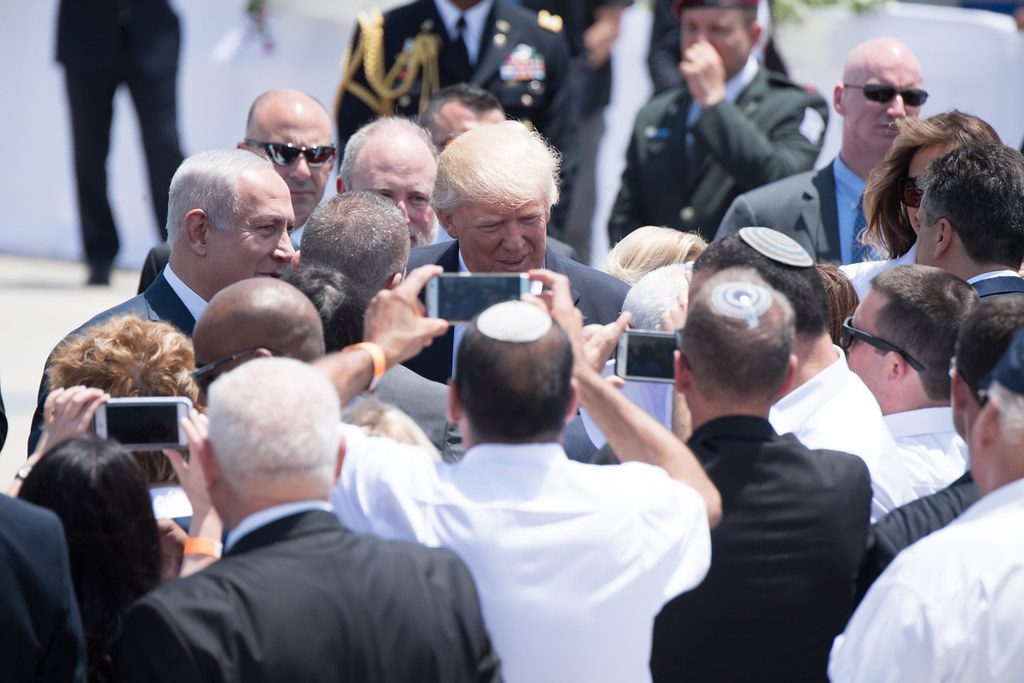
Prime Minister Benjamin Netanyahu is publicly commending President Donald Trump's approach to Iran, describing it as the toughest and smartest option Washington could take against the Islamic Republic. According to Netanyahu, the administration has deliberately chosen what he calls "option 3" — rejecting both a direct military confrontation and a watered-down nuclear agreement in favor of a sustained economic siege designed to squeeze Tehran's regime from every financial angle.
Netanyahu's framing casts the strategy as a middle path that avoids the risks of war while refusing to repeat what conservatives have long viewed as the mistakes of past diplomatic engagement with Iran. He credited the Trump administration with actively tightening the economic blockade on the regime by sanctioning not just Iranian entities but also the countries and businesses abroad that continue trading with Tehran, an approach meant to choke off the regime's access to hard currency and technology by making third-party compliance far more costly.
The comments come as Israel continues to warn that Iran's nuclear ambitions and its network of regional proxies remain the central long-term threat facing the Jewish state, even as the Israel Defense Forces stay focused on dismantling Hamas's remaining infrastructure in Gaza and monitoring threats elsewhere in the region, including reported troop movements tied to concerns over instability near Syria's border. Netanyahu's remarks reinforce a message he has delivered repeatedly since Trump's return to office: that a coordinated, uncompromising campaign of financial isolation is more likely to force real concessions from Tehran's leadership than negotiations that critics say historically bought Iran time to expand its enrichment program while sanctions relief flowed in.
The characterization of a "third option" echoes a long-running argument among Israeli officials and American conservatives that the choice on Iran was never simply between bombs or a bad deal — pointing instead to economic warfare as the underused lever capable of destabilizing the regime's grip on power without a single shot fired. That argument gained fresh traction after Trump withdrew the United States from the 2015 nuclear accord during his first term, reimposing sanctions that Israeli officials at the time argued had been prematurely lifted in exchange for what they viewed as insufficient nuclear restrictions.
Netanyahu's public praise also serves a diplomatic purpose, signaling continued close alignment between Jerusalem and Washington at a moment when Israel is simultaneously managing security operations across multiple fronts. By endorsing the sanctions-first approach, the prime minister is effectively vouching for the administration's Iran strategy on the world stage, lending Israeli credibility to a policy that Washington will need broad international buy-in to enforce, since secondary sanctions only bite if other nations and companies fear losing access to U.S. markets more than they value doing business with Tehran.
What happens next will likely hinge on how aggressively the Treasury Department expands its sanctions list and whether allies in Europe and Asia fall in line with restrictions on firms still trading with Iran. Netanyahu has previously used similar public statements to press Washington toward tougher enforcement, and Israeli officials are expected to continue lobbying for an expanded target list that includes shipping networks and financial intermediaries accused of helping Iran evade the existing sanctions regime.
Why it matters: Netanyahu's endorsement signals that Israel views economic strangulation, not renewed negotiations, as the preferred path to containing Iran's nuclear program, and his public alignment with Trump strengthens the political case for continued sanctions escalation even as pressure builds internationally for a return to diplomacy.