OpenAI Data Centers Chief Reportedly Exits Company
By the BreakFirst Newsroom
Source: Disclose.tv
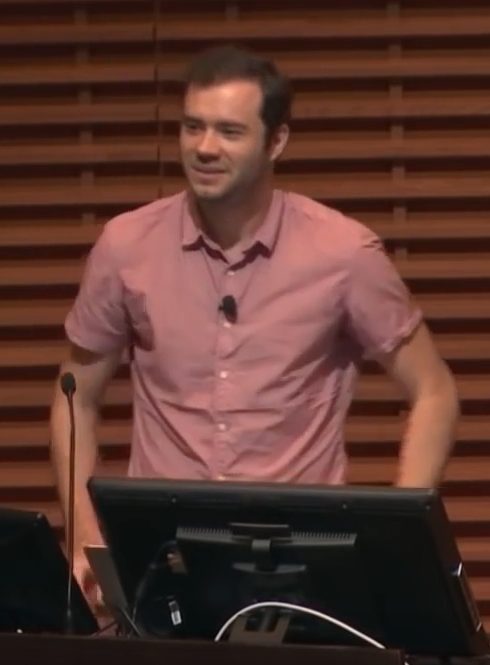
OpenAI's Head of Data Centers, Chris Malone, has reportedly left the company, according to a claim first circulated by Disclose.tv and citing his departure as having occurred last week. As of this writing, OpenAI has not issued any public statement confirming the exit, the reasons behind it, or naming a successor to oversee one of the company's most consequential — and most expensive — undertakings.
Malone's reported role placed him at the center of OpenAI's sprawling effort to secure the physical infrastructure needed to keep its artificial intelligence models running and improving. The company, led by Sam Altman, has spent the past two years racing to lock down data center capacity, chips, and power supply on a scale that dwarfs typical corporate infrastructure projects, as it competes against Google, Microsoft, Meta and a handful of well-funded rivals to stay ahead in the AI arms race.
That buildout has not been without controversy. The scale of electricity and water needed to run the server farms that train and operate large language models has drawn pointed criticism from local communities, environmental groups, and even some lawmakers who worry that AI's power appetite could strain regional grids and drive up utility costs for ordinary ratepayers. Skeptics on both sides of the aisle have also raised questions about whether the eye-popping sums being poured into AI infrastructure — often financed through complex partnerships with cloud providers, chipmakers, and outside investors — represent a sound long-term bet or a bubble inflated by hype.
For a company like OpenAI, which has repeatedly signaled it intends to spend hundreds of billions of dollars on compute capacity in the coming years, the head of data centers is no minor operational post — it is a linchpin role tasked with translating the company's grand ambitions into steel, silicon, and megawatts on the ground. A sudden and unexplained departure from that seat, particularly one that has not been acknowledged by the company itself, is likely to fuel speculation about internal turbulence at a firm that has already weathered its share of leadership drama, including the boardroom upheaval that briefly ousted Altman in late 2023.
It is also worth noting the source of this particular claim. Disclose.tv is an aggregator account known for surfacing breaking claims quickly, sometimes ahead of mainstream confirmation, and BreakFirst is treating this report as attributed but unverified by OpenAI or by the company's usual slate of Silicon Valley beat reporters. No other outlet had independently corroborated the exit or offered detail on Malone's next steps at the time of publication.
The lack of transparency fits a broader pattern critics have noted with major AI labs, which often operate with Silicon Valley's characteristic secrecy even as they seek trillions in public and private capital and reshape entire industries and labor markets. Conservative commentators and energy-policy hawks have increasingly pressed for greater public accountability over how these companies plan to power their operations without saddling everyday Americans with higher electric bills, especially as data centers proliferate in states like Texas, Ohio, and Virginia.
OpenAI did not respond to a request for comment on the reported departure, and it remains unclear whether Malone's exit reflects a strategic shift, a personal decision, or something else entirely. Executive churn at fast-scaling tech companies is not unusual, but the timing — amid an unprecedented capital-spending push on data centers — will likely draw scrutiny from investors and industry watchers alike.
BreakFirst will continue to monitor this developing story and will update readers as more information emerges on Malone's reported exit, any statement from OpenAI, and who may step in to steer the company's data center strategy going forward.