Tanker struck by projectile in Strait of Hormuz
By the BreakFirst Newsroom
Source: UK Maritime Trade Operations (UKMTO)
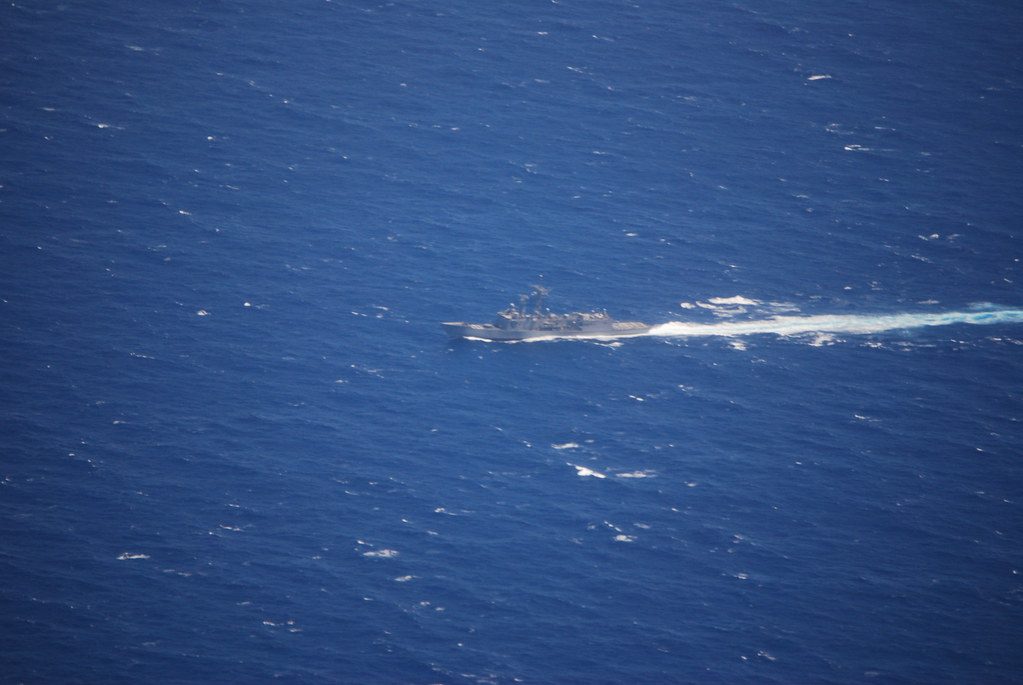
Tanker Struck by Unidentified Projectile in Strait of Hormuz, Raising Fresh Alarm Over Gulf Shipping Lanes
A commercial tanker was struck by an unknown projectile while transiting the Strait of Hormuz, the UK Maritime Trade Operations agency (UKMTO) reported, reigniting fears over the safety of one of the world's most critical oil-shipping corridors at a moment of heightened regional tension.
UKMTO, the British Royal Navy-affiliated body that monitors shipping threats across the Gulf and surrounding waters, has not yet identified the vessel's name, flag, or the extent of any damage sustained in the strike. The agency also has not disclosed where the projectile came from, leaving open the possibility that Iranian forces, Iran-backed militias, or another regional actor may be responsible — a pattern consistent with a string of previous assaults on merchant shipping in the waterway.
The incident is the latest in a long series of maritime security threats to have rattled the Strait of Hormuz, through which roughly a fifth of the world's oil supply passes daily. The narrow chokepoint between Iran and the Arabian Peninsula has repeatedly become a flashpoint for confrontations tied to Tehran's proxy network, with tankers, cargo vessels, and naval assets targeted in recent years amid the broader regional conflict involving Israel, Iran, and Iran-backed militant groups.
The strike comes against the backdrop of a dramatically escalated security environment across the Middle East, one that has seen American forces strike Iranian military assets and repeated reports of missile activity throughout the region, including unconfirmed reports of Iranian missiles intercepted over Jordan and additional air defense activity. Analysts have long warned that any disruption of traffic through Hormuz — even short of a full closure — can send shockwaves through global energy markets, given the strait's outsized role in supplying crude oil to Asia, Europe, and beyond.
Tehran has for years used its proximity to the strait as leverage, with senior Iranian officials periodically threatening to close the passage entirely in response to Western sanctions or military pressure. While Iran has never followed through on a full blockade, its Islamic Revolutionary Guard Corps and allied militias have been linked by Western officials to numerous ship seizures, drone strikes, and mine attacks against tankers transiting the Gulf, part of what analysts describe as a "shadow war" against international shipping meant to demonstrate Tehran's reach without triggering all-out war.
No group has claimed responsibility for the latest strike, and UKMTO's initial advisory notably stopped short of assigning blame — a standard practice for the agency in the immediate aftermath of an incident, pending further investigation by naval authorities operating in the region, including the U.S. Navy's Fifth Fleet and allied coalition forces that patrol Gulf waters.
Energy markets, already jittery over the wider Middle East conflict, are likely to watch closely for any confirmation of the vessel's identity or cargo, as strikes on oil or gas carriers tend to carry heavier market implications than attacks on other commercial ships. It remains unclear whether the tanker was carrying crude oil, refined products, or another cargo at the time of the incident.
BreakFirst will continue to update this developing story as UKMTO, coalition naval forces, and shipping industry sources release additional details on the vessel involved and the source of the attack.
Why it matters: Every fresh strike in the Strait of Hormuz underscores how fragile global energy security remains so long as Iran and its proxies retain the ability to threaten shipping lanes with near-impunity — a vulnerability critics argue has only grown as Washington's regional deterrence has been tested by the wider conflict engulfing Israel, Iran, and their respective allies.