US Missile Interceptor Stock in Europe Called 'Beyond Critical'
By the BreakFirst Newsroom
Source: Disclose.tv
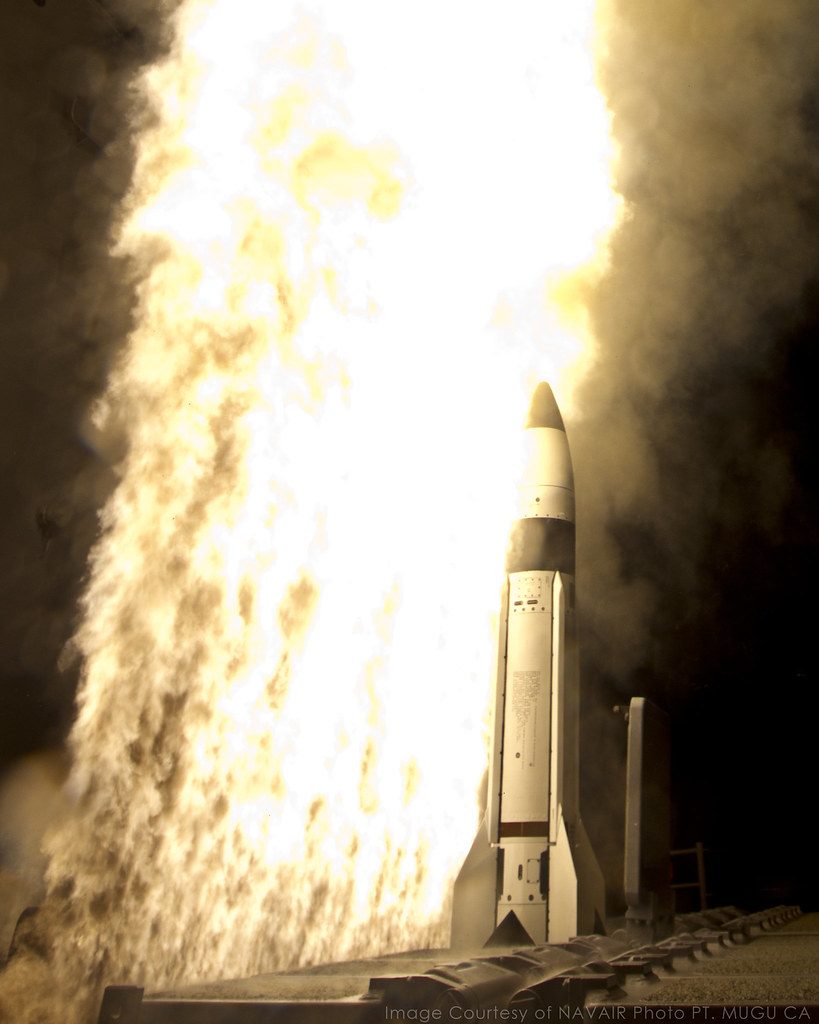
US Missile Interceptor Stock in Europe Called 'Beyond Critical'
American military stockpiles of advanced missile interceptors positioned in Europe have reportedly fallen to levels described as "beyond critical," according to a report from Disclose.tv, which attributes the shortfall largely to the massive surge in demand generated by the recent joint U.S.-Israeli campaign against Iran's nuclear and military infrastructure. The claim, if confirmed, would raise serious questions about America's readiness to shield NATO allies from any fresh missile threat while its stocks remain drawn down.
According to the report, the depletion did not happen in a vacuum. It follows weeks of intense operations in which American and Israeli forces worked in tandem to blunt Iranian missile and drone barrages, a campaign the United States has backed as central to its broader push to check Tehran's regional aggression and defend its closest Middle East partner. The scale of that effort — deploying layered air-defense systems to intercept waves of Iranian projectiles aimed at Israeli cities and U.S. assets in the region — appears to have consumed interceptor inventories at a pace outstripping production and resupply.
Disclose.tv's report did not specify which interceptor systems are most affected or offer a timeline for when European stockpiles might be replenished. That lack of detail leaves open significant questions for defense planners: whether the shortage involves Patriot PAC-3 interceptors, THAAD components, or other systems long relied upon by U.S. forces and allies stationed across the continent. The Pentagon has not yet issued an official statement confirming or denying the severity described in the report, and BreakFirst will continue to press for on-record comment.
Concerns about interceptor supply are not new. Defense analysts have warned for years that U.S. production lines for sophisticated air-defense munitions have struggled to keep pace with simultaneous demands from multiple theaters — Ukraine's ongoing war with Russia, heightened tensions in the Indo-Pacific, and now the direct confrontation with Iran. Washington's decision to commit heavily to Israel's defense during the recent conflict, including redirecting naval assets to enforce an Iran blockade, underscores the scale of the American commitment to ensuring Iran could not translate its missile arsenal into a strategic victory.
That commitment has drawn criticism from some corners of the political left, who argue the U.S. is overextending itself militarily. But supporters of the administration's approach counter that standing firmly behind Israel — a democratic ally facing an avowed enemy that has armed proxies from Gaza to Lebanon — is not optional but essential to regional stability and, by extension, American security interests. Tehran's missile and proxy network has repeatedly targeted Israeli civilians, a reality that has hardened U.S. resolve to back Jerusalem's right to defend itself, even at logistical cost.
The unresolved question now is what a depleted interceptor stockpile in Europe means for readiness against other potential threats, including from Russia, at a moment when Moscow has separately threatened military sites in the UK over Ukraine-related strikes. If American reserves remain thin, allies may be forced to lean more heavily on their own defense industries or accept slower replenishment timelines, even as threats from multiple adversaries persist simultaneously.
For now, the Disclose.tv report stands as the primary source for the "beyond critical" characterization, and it has not yet been independently corroborated by mainstream defense reporting or confirmed by Pentagon officials. BreakFirst will update this story as more verified information becomes available.
Why it matters: If accurate, a critical interceptor shortage in Europe would expose a real strategic tradeoff facing Washington — the cost of standing firmly behind Israel against Iran may be reduced near-term readiness against other threats, a tension conservative defense hawks argue should be resolved through expanded production, not retreat from allies.