USAID watchdog refers 100+ UNRWA staff over Oct. 7 ties
By the BreakFirst Newsroom
Source: USAID Office of Inspector General
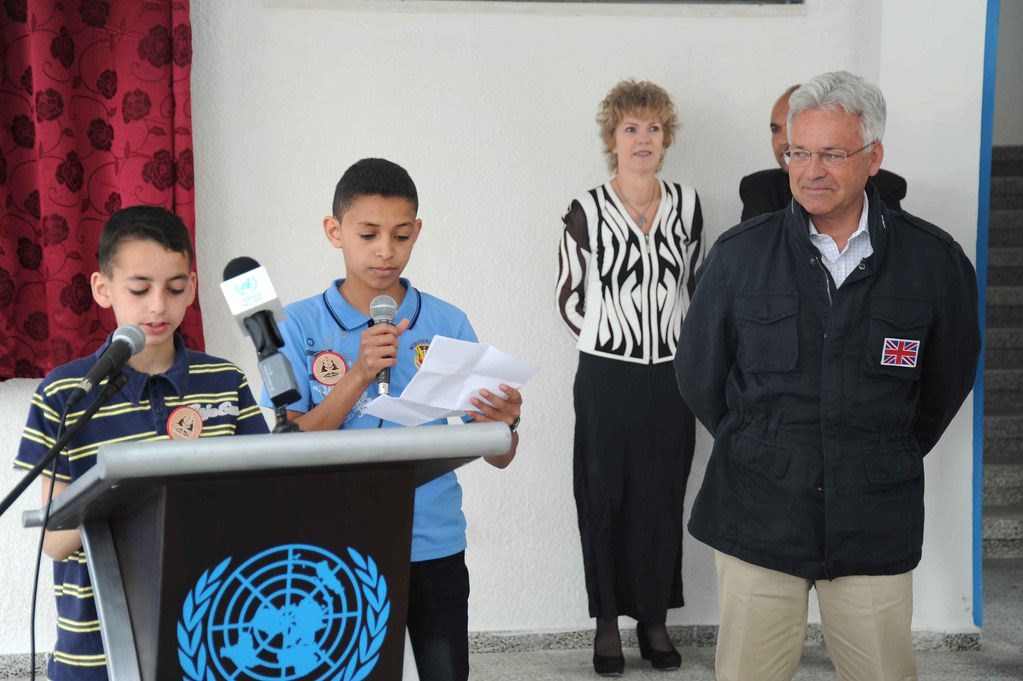
USAID's internal watchdog has quietly referred more than 100 current and former employees of the United Nations Relief and Works Agency to the State Department over alleged ties to the October 7 massacre and Hamas, according to a report circulated by Israel War Room, adding fresh fuel to years of accusations that the UN agency has been infiltrated by terrorists at nearly every level.
The referral, made by USAID's Office of Inspector General, reportedly includes three former UNRWA teachers now facing proposed debarment from U.S.-funded programs. Two of the educators are identified as operatives for Hamas, while the third is linked to Palestinian Islamic Jihad, per the Israel War Room report. The State Department has not yet issued a public response to the referrals, leaving open the question of what disciplinary or legal steps, if any, will follow.
For critics of UNRWA, the disclosure is hardly a surprise — it is the latest confirmation of what Israeli officials and their American allies have warned about for years: that an agency entrusted with billions in Western taxpayer dollars to aid Palestinian refugees has instead become a haven for men who took part in, or sympathized with, the bloodiest terror attack on Jewish civilians since the Holocaust. The October 7 attacks, in which Hamas-led terrorists slaughtered roughly 1,200 people in southern Israel and dragged more than 250 hostages into Gaza, prompted a wave of scrutiny into UNRWA's staff rolls after Israeli intelligence alleged that a number of agency employees had directly participated in the atrocities.
That scrutiny has already produced consequences. Several Western donor nations, including the United States, moved to suspend funding to UNRWA in early 2024 after Israel presented evidence that agency staffers were allegedly involved in the attack — a move that triggered an internal UN review and left the agency scrambling to reassure donors that vetting failures would be addressed. Yet more than a year and a half later, the emergence of a fresh USAID-linked referral covering over 100 names suggests the problem runs far deeper than a handful of bad actors, reinforcing long-standing conservative and pro-Israel criticism that UNRWA's leadership has been either unwilling or unable to purge extremists from its ranks.
The debarment proceedings against the three named teachers would, if finalized, formally bar them from receiving U.S. government funds or participating in federally financed programs — a largely administrative remedy, but one that adds to a growing paper trail of documented terror ties inside an agency that continues to receive support from numerous European governments even as Washington has pulled back. Supporters of Israel have long argued that no amount of internal UNRWA reform can be trusted absent full transparency and independent, outside vetting of its roughly 13,000 employees in Gaza alone, a workforce Israeli officials say has been repeatedly compromised by Hamas.
The broader context is grim: survivors of the October 7 attacks and the hostages held in its aftermath, including accounts from freed hostages describing their captivity, have underscored the scale of Hamas's infrastructure inside Gaza — an infrastructure that Israeli officials say UNRWA facilities and personnel have sometimes overlapped with. Israel's military has separately continued operations against remaining Hamas figures tied to that day, including reports of forces having eliminated an Oct. 7-linked operative in recent strikes.
What happens next largely depends on the State Department, which has stayed silent since the referrals became public. Congressional Republicans, who have pushed for years to defund or dramatically restructure UNRWA, are likely to seize on the report as further justification for permanent cuts to U.S. contributions and for demanding an independent, third-party vetting mechanism before any American funds resume flowing to the agency. Whether the Biden-era diplomatic caution toward UNRWA persists or gives way to harder action may become clearer once State formally responds to the referrals.