Zelensky: Ukraine struck Russian drone sites, refinery overnight
By the BreakFirst Newsroom
Source: Volodymyr Zelenskyy
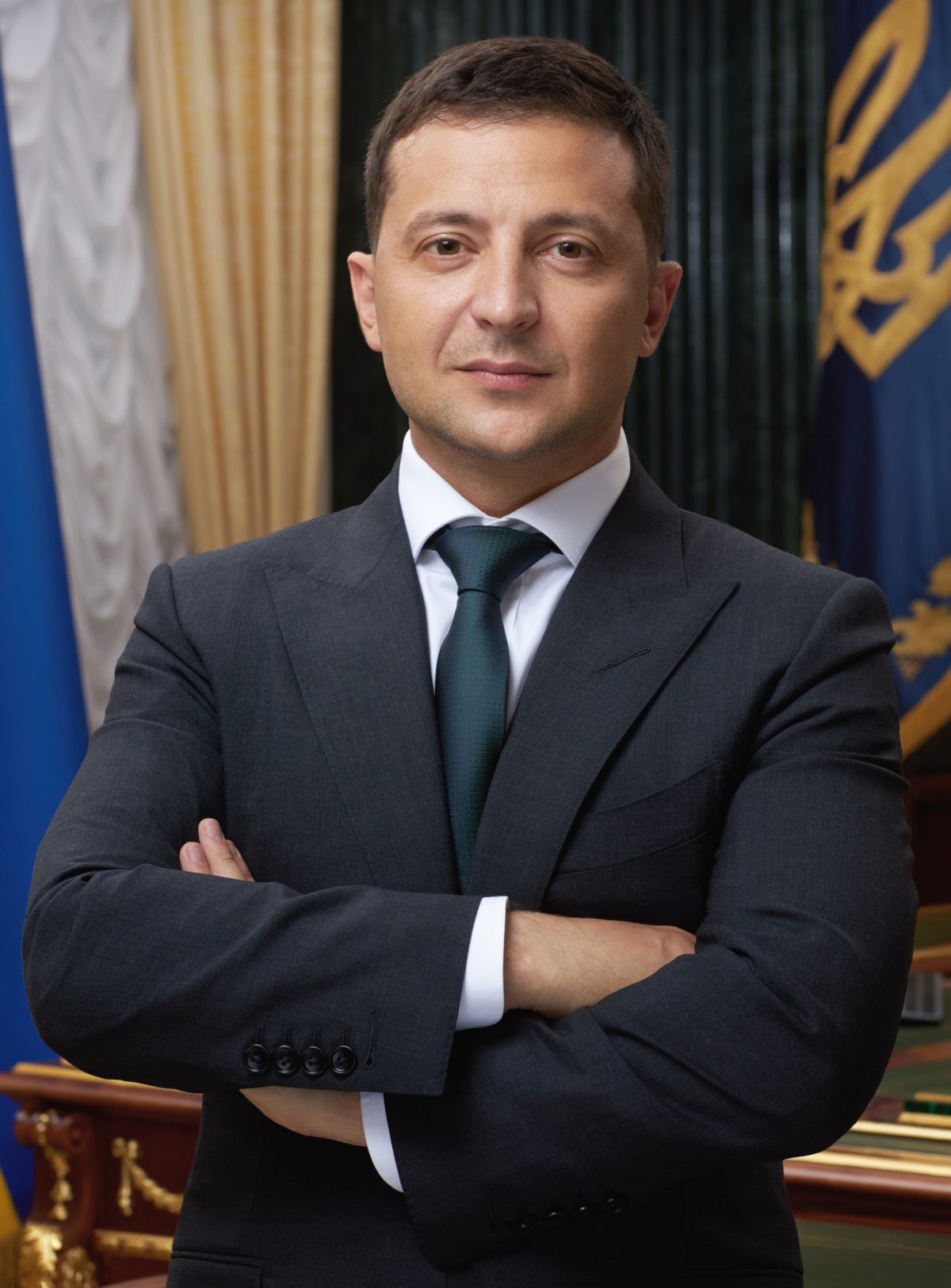
President Volodymyr Zelensky said Ukrainian forces carried out a wave of long-range strikes overnight on Russian military and energy infrastructure, targeting drone storage and launch facilities in the Oryol and Rostov regions, a military airfield near Yeysk, positions in the Black Sea, and an oil refinery in Russia's Leningrad region, according to his nightly address to the nation.
The strikes are the latest in a string of deep-penetration operations Kyiv has mounted against targets far from the front lines as the war grinds into its fourth year. Zelensky said earlier strikes this week also hit facilities in the Bashkortostan republic and the Arkhangelsk region — both located hundreds of miles from Ukrainian territory, underscoring the reach Kyiv's drone and missile arsenal has developed since Russia's full-scale invasion began in February 2022.
Zelensky framed the campaign as a deliberate effort to choke off the resources Moscow relies on to bankroll its war effort, arguing that hitting refineries, fuel depots, and drone production and launch sites directly undercuts the Kremlin's ability to sustain its offensive operations against Ukrainian cities and troops. Ukraine has increasingly targeted Russia's energy sector over the past year, hitting refineries and export terminals in a bid to squeeze the oil revenue that underwrites the Kremlin's war machine — a strategy Kyiv's Western backers have watched with a mix of quiet approval and unease over escalation risk.
Russian officials had not issued a public response to the specific overnight strikes on the named sites as of this report. Moscow has in the past frequently disputed the scope and success of Ukrainian strikes, often downplaying damage or claiming its air defenses intercepted the bulk of incoming drones and missiles — claims that are difficult to independently verify given restricted access to Russian military sites.
The overnight barrage comes against the backdrop of a diplomatic standstill. Peace negotiations between Moscow and Kyiv remain in a "deep pause," with the Kremlin offering little indication that it is prepared to return to serious talks anytime soon. That frozen diplomatic track has coincided with speculation over renewed American involvement, including reports that CIA Director John Ratcliffe floated the idea of a Trump-Putin-Zelenskyy summit as a possible way to jumpstart negotiations.
For now, Kyiv appears to be betting that sustained pressure on Russian energy infrastructure and military logistics will do more to shift the Kremlin's calculus than talks alone. Ukrainian officials have long argued that degrading Russia's refining capacity and drone-production supply chain imposes real economic costs on Moscow, even if the battlefield itself remains largely static. Analysts have noted that repeated strikes on refineries can cause localized fuel shortages and disrupt export revenue, though Russia's oil sector has proven resilient at absorbing and repairing damage from previous rounds of attacks.
What happens next remains uncertain. With peace talks stalled and both sides continuing to trade long-range strikes — Russia with near-nightly drone and missile barrages against Ukrainian cities, and Ukraine with its own deep strikes into Russian territory — there is little sign the war's momentum is shifting toward negotiation. Washington's posture toward renewed diplomatic engagement, and whether the Kremlin shows any willingness to re-engage, will likely shape whether this cycle of strikes continues unabated into the coming weeks.
Why it matters: Ukraine's continued ability to strike deep into Russian territory — hitting refineries, airfields, and drone depots far from the front — demonstrates that Kyiv retains real offensive capability even amid a stalled peace process, complicating Moscow's narrative that Russia holds the upper hand and giving Ukraine's Western backers evidence that continued military support is yielding tangible battlefield effects.