IRGC: Iran, Oman Agree to Jointly Manage Strait Revenues
By the BreakFirst Newsroom
Source: Tasnim (IRGC-affiliated)
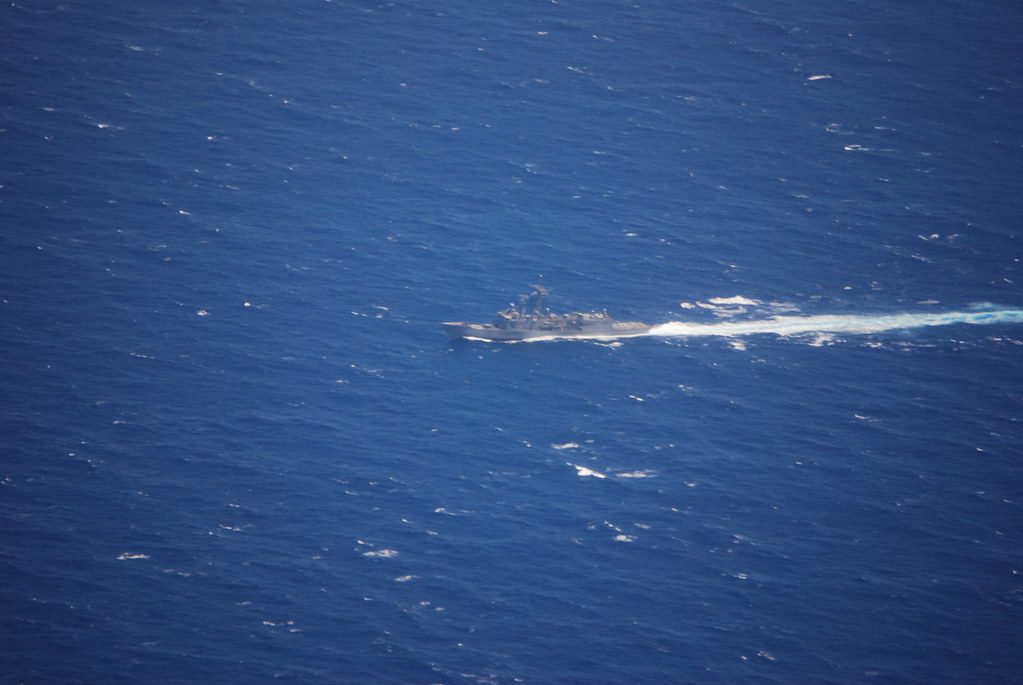
The Strait of Hormuz — the narrow waterway through which roughly a fifth of the world's oil supply flows — has once again become a flashpoint, with Iran's Islamic Revolutionary Guard Corps claiming Tehran and Oman have reached a deal to jointly manage the strategic chokepoint and split its revenues.
The claim originated with Tasnim News Agency, an outlet closely aligned with the IRGC and Iran's military establishment, making it a mouthpiece for regime messaging rather than an independent journalistic source. Tasnim additionally reported that Iranian officials are warning the strait will not reopen "under any circumstances" unless Washington accepts Tehran's conditions — a threat that, if true, would mark a significant escalation in Iran's economic and military standoff with the United States.
No Western government, shipping authority, or maritime security firm has yet confirmed either claim. The Strait of Hormuz remains one of the most heavily monitored waterways on Earth, watched closely by the U.S. Navy's Fifth Fleet, commercial shipping insurers, and energy markets that react instantly to any hint of disruption. The absence of corroborating reports from Lloyd's List, Reuters shipping desks, or the Pentagon suggests this may be another instance of Tehran using state media to project strength and rattle oil markets rather than announcing a verified operational change.
This is not the first time Iran has dangled the threat of choking off Hormuz traffic as leverage against Washington. The regime has repeatedly floated closure threats during periods of heightened sanctions pressure or military tension, using the strait's outsized importance to global energy supplies as a bargaining chip. The timing is notable given the broader volatility surrounding Iran's leadership; President Trump recently said Iran's Supreme Leader Ayatollah Khamenei was "very seriously wounded" but not dead, underscoring just how unsettled the regime's internal situation appears to be even as it makes bold public claims about controlling international shipping lanes.
Oman, for its part, has historically positioned itself as a neutral broker in Gulf affairs, often facilitating back-channel talks between Tehran and Western powers rather than aligning militarily or economically with Iran against the United States. A formal revenue-sharing arrangement over a strait that Oman does not unilaterally control — and that borders international waters used by dozens of nations' commercial and naval vessels — would represent a major departure from Muscat's traditional posture, which is one more reason for skepticism until Omani officials themselves confirm or deny the arrangement.
The broader context is one of sustained American and allied pressure on Tehran's military infrastructure. Israel's military has reported dismantling more than 400 Hezbollah sites in southern Lebanon, part of a wider campaign against Iran's regional proxy network that has weakened Tehran's hand even as its state media continues to project defiance. Analysts have long noted that bluster from outlets like Tasnim often serves a dual purpose: rallying domestic audiences and testing Western resolve without committing the regime to actions it may not be able to sustain militarily or economically, particularly given Iran's own dependence on oil exports that transit the same waterway it claims it might close.
For now, oil markets and shipping data show no confirmed disruption to traffic through Hormuz, and vessel tracking services have not reported unusual naval activity consistent with an actual blockade. BreakFirst will continue monitoring for statements from the State Department, Pentagon, or International Maritime Organization, as well as any independent confirmation from Omani officials, before treating Tehran's claims as anything more than the latest round of pressure-tactic rhetoric aimed at Washington.