Netanyahu Touts 104 New Communities, 160 Ranches
By the BreakFirst Newsroom
Source: Prime Minister Benjamin Netanyahu
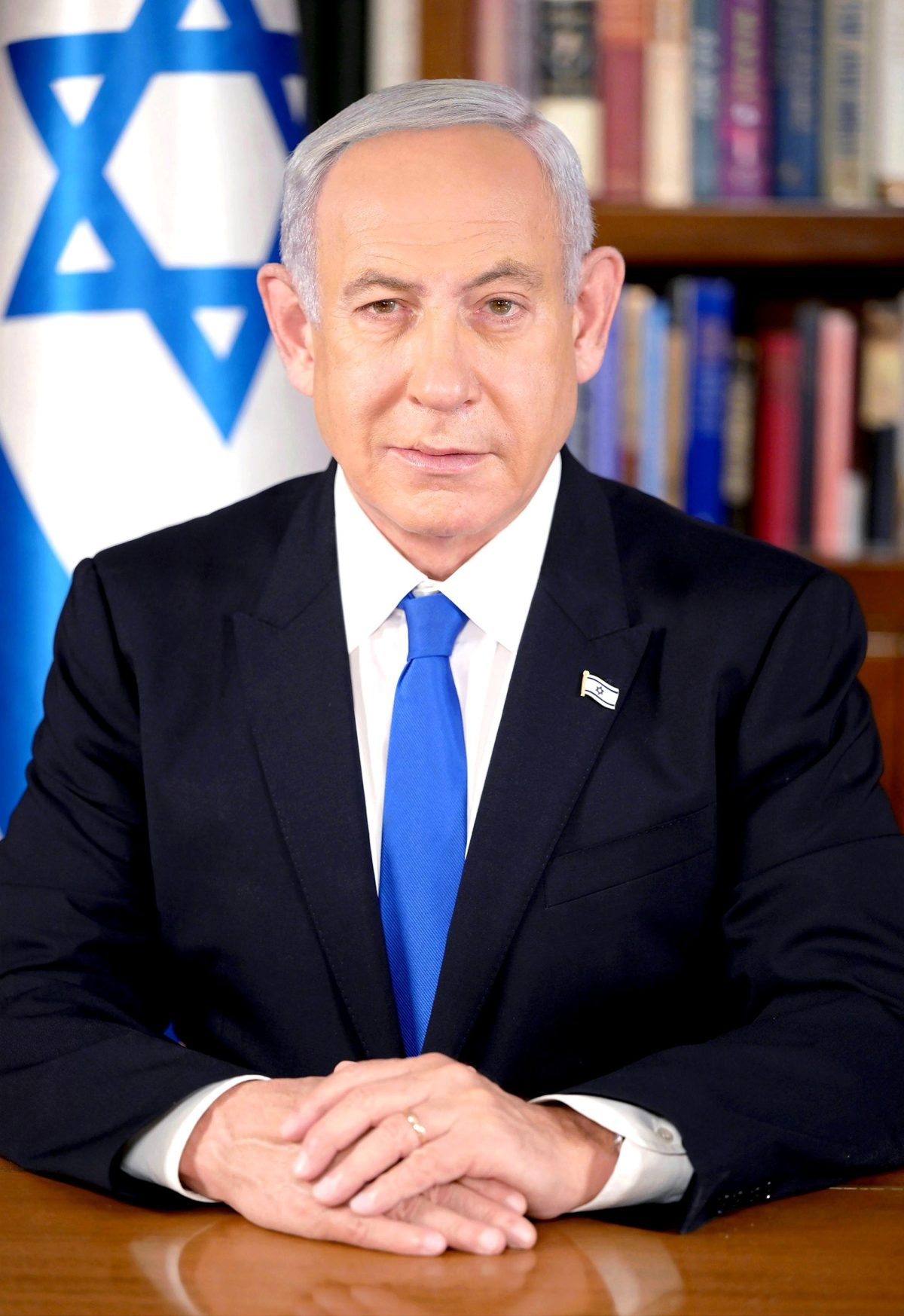
Prime Minister Benjamin Netanyahu used a high-profile appearance at the Binyamin Regional Council's annual event to tout what he described as a major expansion of Israeli communities in Judea and Samaria, telling the gathered crowd that his government has overseen the establishment of 104 new communities and 160 ranches across the region. The announcement, delivered with characteristic confidence, was framed by the prime minister not as a partisan achievement but as one that has endured across multiple U.S. administrations of both parties.
According to the brief remarks relayed from the event, Netanyahu emphasized that this settlement growth took place under both Democrat and Republican administrations in Washington, a point he appeared eager to stress as evidence that support for Israeli development in the region is not contingent on the political winds in the United States. That framing is a familiar one for Netanyahu, who has long argued that Israeli sovereignty decisions should not be dictated by shifts in American electoral politics, whether the White House is occupied by a Democrat or a Republican.
The remarks come as international bodies and foreign governments continue to scrutinize settlement growth in Judea and Samaria, territory that much of the world refers to as the West Bank and that has been at the center of decades of diplomatic friction. Palestinian officials and many Western European governments have long characterized such expansion as an obstacle to a future peace agreement, arguing that new construction complicates any eventual two-state arrangement. Netanyahu's office, by contrast, has consistently defended the growth of these communities as a matter of Israeli sovereignty and national security, rejecting the notion that Jewish presence in the biblical heartland should be treated as illegitimate or as a bargaining chip to be surrendered under outside pressure.
The Binyamin Regional Council, which covers a swath of territory north and east of Jerusalem, has for years been one of the more active hubs of such development, and its annual gathering has become something of a fixture for Israeli officials looking to make statements about the trajectory of the region. Netanyahu's decision to headline the event and put a specific number on the expansion — 104 communities and 160 ranches — suggests an effort to present a concrete, tangible legacy on an issue that has often been discussed in the abstract by critics abroad.
The prime minister's remarks arrive at a moment when Israel's security establishment has been increasingly focused on threats emanating from multiple fronts, including in southern Lebanon, where the IDF has reported dismantling hundreds of Hezbollah sites, and in Gaza, where unconfirmed claims have alleged Hamas is rebuilding tunnel infrastructure in defiance of ceasefire terms. Supporters of Netanyahu's approach argue that continued Jewish settlement in Judea and Samaria is inseparable from the broader security posture Israel has adopted amid these ongoing regional threats, viewing a robust civilian presence as a stabilizing and defensive asset rather than a provocation.
Critics of settlement expansion, both within Israel's political opposition and among foreign governments, are likely to seize on the announcement as fresh evidence of what they call a hardening of the status quo that makes a negotiated resolution with the Palestinians more difficult. Netanyahu's office has not, based on available remarks, addressed those criticisms directly beyond its long-standing position that decisions about Israeli communities in the region are matters of domestic sovereignty.
No additional details were provided regarding the specific timing of when the 104 communities and 160 ranches were established, nor were exact locations specified in the reported remarks. It remains unclear whether Netanyahu plans to elaborate further on the figures in subsequent public appearances, or whether his government intends to announce additional expansion plans in the near term. The Binyamin Regional Council event has historically served as a platform for such announcements, and observers will likely watch for follow-up commentary from Israeli officials in the days ahead.