Waltz warns nations: don't side with Iran on sanctions
By the BreakFirst Newsroom
Source: Mike Waltz
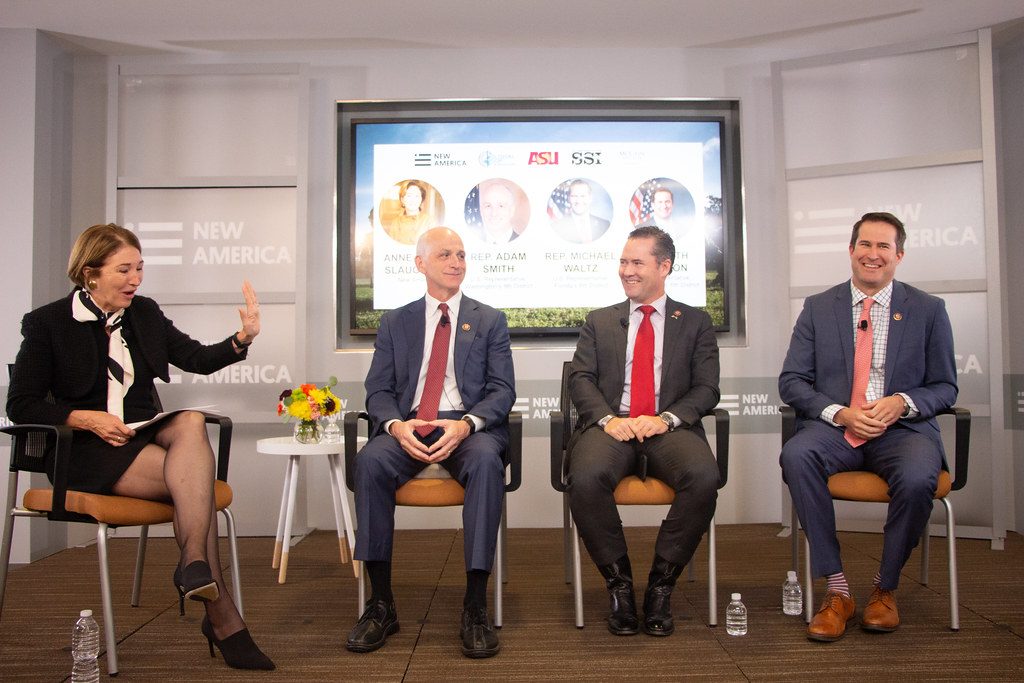
Ambassador to the UN Mike Waltz delivered a stark ultimatum to the international community this week, warning nations that hesitating on Iran sanctions enforcement amounts to picking a side — and it isn't the right one.
"Either you are with us or you are against us. You do not want to be siding with Iran right now," Waltz said, according to a post shared by Israel War Room, one of the first outlets to circulate the remarks. The comment leaves little room for interpretation: Washington is drawing a hard line for allies who might be tempted to look the other way as Tehran seeks economic breathing room.
The blunt framing is consistent with the posture Waltz has taken since moving from Capitol Hill to Turtle Bay, where he has repeatedly cast Iran's regime as the central destabilizing force in the Middle East. By putting the choice in binary terms — with us or against us — Waltz is putting pressure on governments and financial institutions that might otherwise quietly continue trade or banking relationships with Tehran under the guise of neutrality.
The remarks land amid an intensifying American effort to choke off the funding networks that Iran's government uses to bankroll proxy militias and terror groups across the region, from Gaza to Lebanon to Yemen. Iran has long stood accused by Washington and Jerusalem of using its oil revenue and sanctioned banking channels to arm and finance groups hostile to Israel and Western interests, a dynamic that has only sharpened scrutiny of the regime following the October 7 Hamas massacre in Israel, an atrocity the group continues to inflict lasting trauma on its victims.
Iran's economy has already shown signs of strain under the weight of existing sanctions, with its own commercial infrastructure reportedly sitting idle in places as trade partners grow wary of exposure to U.S. penalties, a trend chronicled in reporting on Iran's largest port sitting empty as sanctions bite. That squeeze has coincided with a broader campaign of military and diplomatic pressure on Tehran's proxies and infrastructure, including reported American strikes on Iranian missile assets and heightened tensions in shipping lanes critical to Iran's oil exports, such as the Strait of Hormuz.
No specific enforcement actions or penalties against non-compliant nations were detailed in the post circulated by Israel War Room, leaving open the question of how the administration intends to translate the warning into concrete policy if allies fail to fall in line. It remains to be seen whether the ultimatum is followed by formal diplomatic notices, secondary sanctions threats, or targeted actions against specific governments or companies suspected of aiding Tehran's sanctions evasion.
Waltz's tone reflects a broader hardline stance that has become a hallmark of the current administration's foreign policy approach — one that treats ambiguity toward Iran as functionally equivalent to appeasement. Supporters of the tougher posture argue that half-measures and diplomatic hedging have historically allowed Tehran room to rebuild its financial networks and proxy funding streams, undermining prior sanctions regimes.
Why it matters: Waltz's ultimatum signals that the administration intends to treat sanctions compliance as a loyalty test for allies, not a suggestion — a posture that could strain relations with trading partners still doing business with Tehran while reinforcing Washington's alignment with Israel against a regime both view as the region's foremost sponsor of terror.